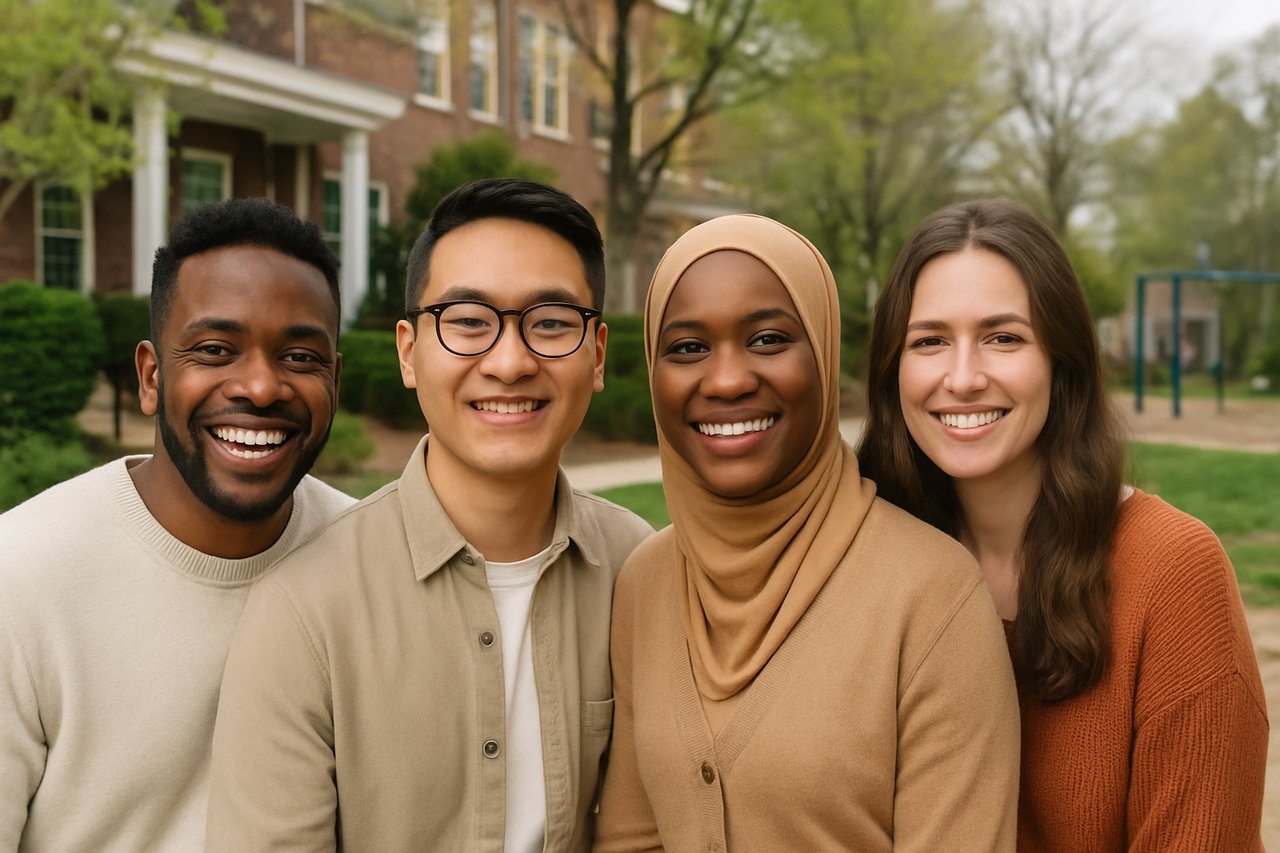
A Simple Guide to Exploring Community Resources for BIPOC Families
Tiffany Malgrat November 26, 2025
Tiffany Malgrat November 26, 2025
By Tiffany Malgrat, Triangle Realtor & Community Advocate, SB Real Estate
Choosing a home means choosing a community — and for many BIPOC families, that decision goes beyond bedrooms and square footage. It includes access to welcoming spaces, culturally responsive resources, supportive networks, and neighborhoods where representation matters.
Across the Triangle, I help families not only find a home they love but also the connections that support their well-being — from childcare and schools to small businesses, mentorship programs, and community spaces that celebrate identity and belonging.
This guide breaks down simple, actionable ways BIPOC families can explore community resources when searching for a new home.
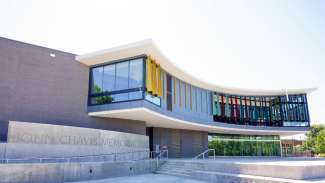

Many Triangle communities host cultural centers, advocacy hubs, and gathering spaces dedicated to supporting Black, Latinx, Asian, Indigenous, and multicultural families. These spaces often offer:
Family programs
Youth mentoring
Social events and celebrations
Educational support
Cultural workshops
Mental health resources
These centers are often the heartbeat of connection, making it easier to plug into a welcoming community.

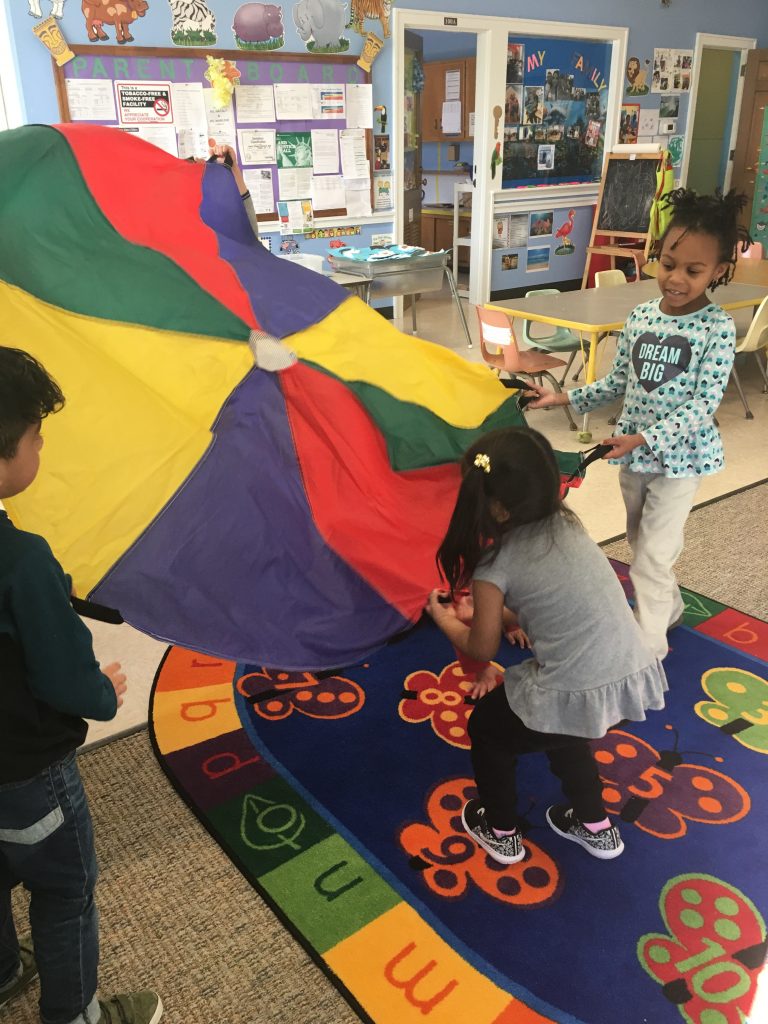
Representation and cultural awareness in early childhood spaces matter.
Look into:
Multicultural or bilingual childcare programs
Schools with strong DEI initiatives
Educators who reflect the community
Inclusive afterschool and enrichment programs
Family engagement and support services
Because I’ve personally created a childcare space in the past, I support families by helping evaluate the surrounding early learning environment — something many agents simply can’t offer.
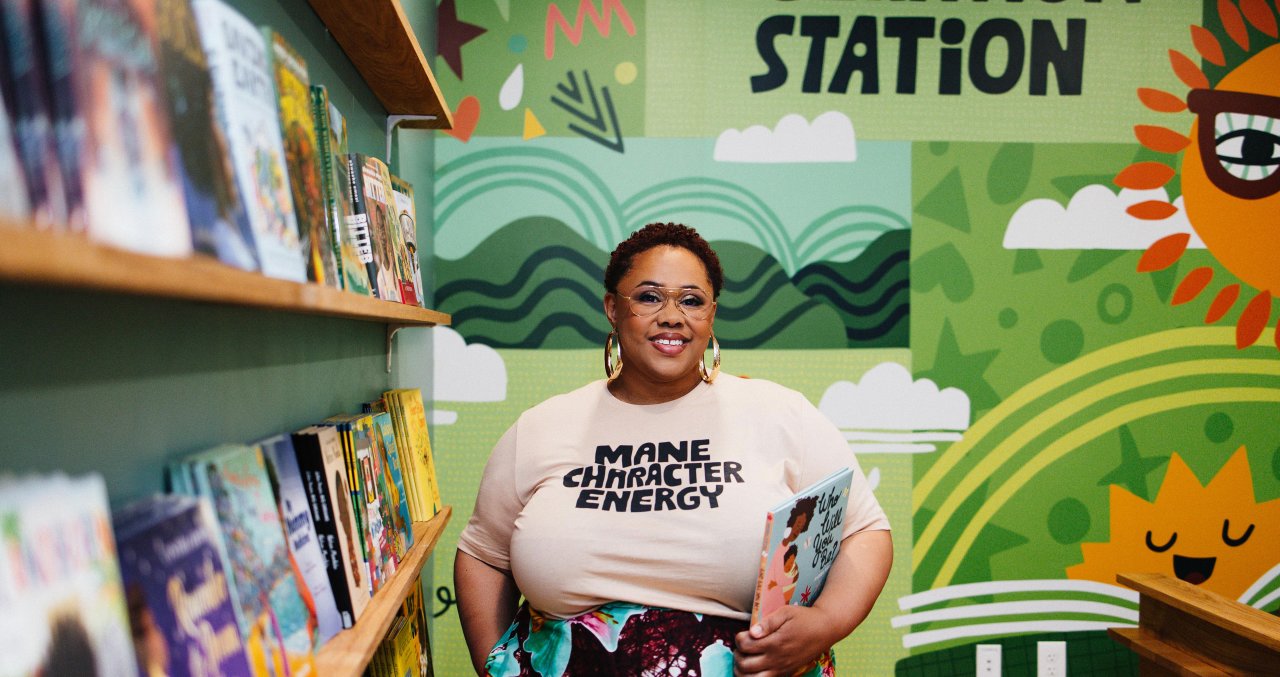
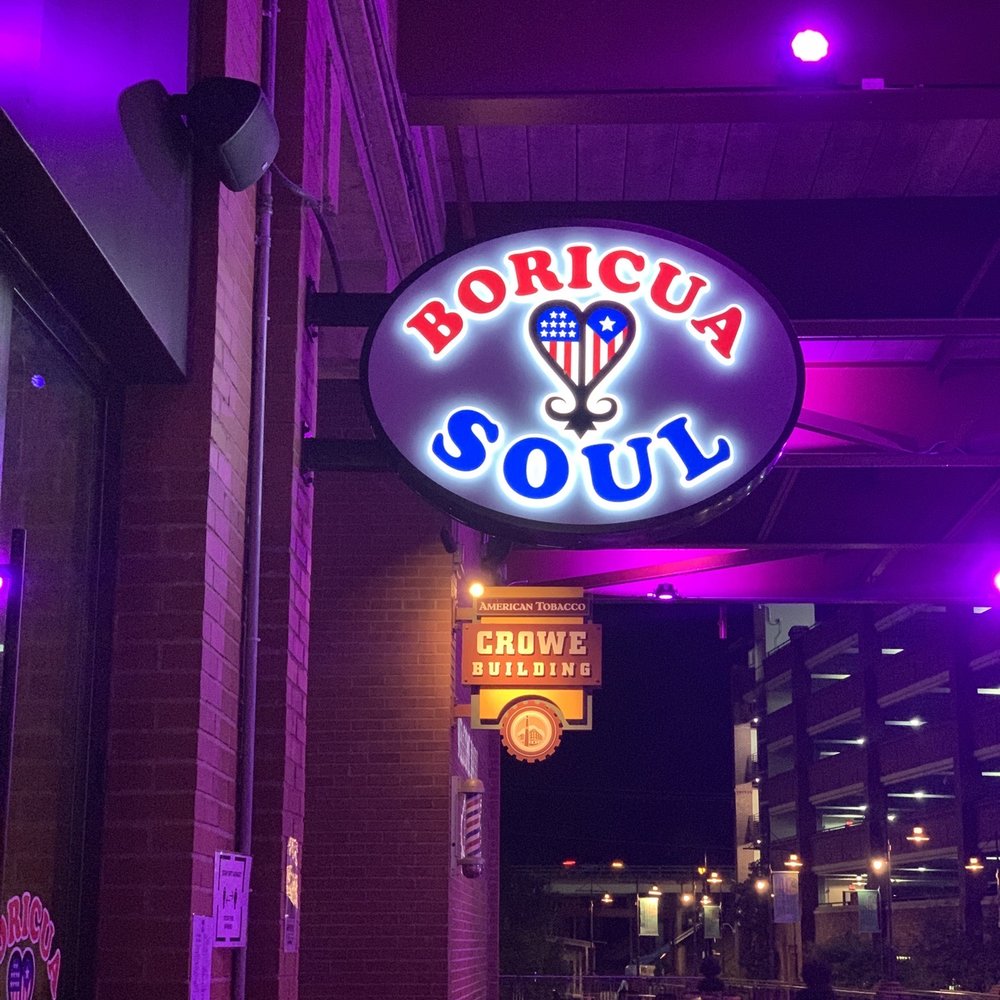
Small businesses are often the backbone of cultural connection. Look for:
BIPOC-owned cafés & restaurants
Boutique shops
Wellness studios
Professional service providers
Community-focused entrepreneurs
These businesses not only serve as everyday essentials, but often become community hubs where families feel seen and supported.


Many neighborhoods in the Triangle — from Raleigh and Durham to Cary, Apex, and Wake Forest — have active networks designed to uplift and connect residents.
You can explore:
Facebook community groups
Local parent groups
Cultural organizations
Small neighborhood-driven events
Mutual-aid initiatives
HOA and non-HOA social gatherings
These groups can help you assess how inclusive, connected, and family-friendly a neighborhood truly is.

BIPOC families often benefit from local organizations focused on empowerment, education, housing, entrepreneurship, and family support.
Some nonprofits offer:
Youth mentoring
Parenting support
Financial literacy programs
College readiness resources
Cultural enrichment
Legal or housing assistance
Knowing which organizations serve your area can give you a clearer picture of a neighborhood’s support ecosystem.
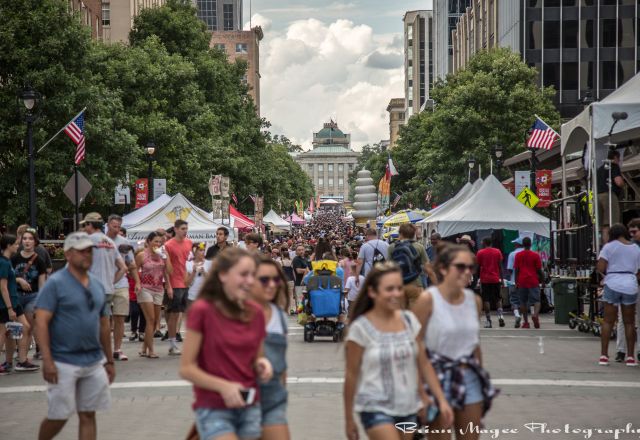
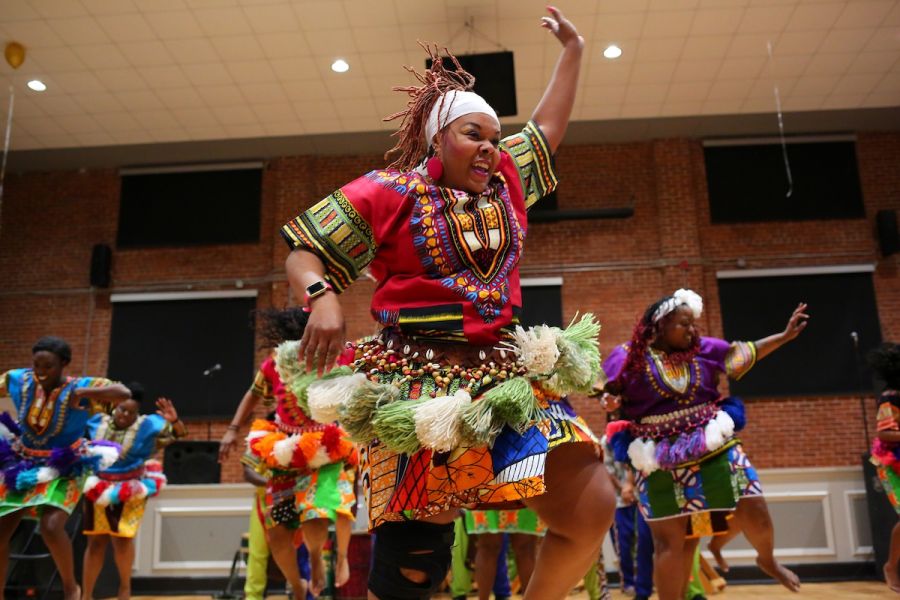
Festivals, farmers markets, cultural celebrations, block parties, and library programs provide a real-world way to feel the soul of a community.
When you attend, notice:
Representation: Do families look like yours?
Atmosphere: Is the environment welcoming?
Engagement: Are people interacting and connecting?
Accessibility: Are events spread across different parts of town?
Events are one of the easiest ways to get a sense of whether a place feels like home.
As a Triangle Realtor, I bring perspective that goes beyond home features. I take time to understand what matters to each family — especially BIPOC families seeking representation, safety, and culturally aligned support systems.
I provide:
My goal is to help you choose a home and find a community where your family thrives.
If you want personalized guidance finding a neighborhood rich in culture, connection, and support, I’d love to help you navigate the Triangle with confidence.
What $2 million buys in Raleigh, which luxury neighborhoods and builders to explore, and why the right strategy matters before you tour the 2026 Triangle Parade of Hom… Read more

7 Submarkets Compared
If you’ve been renting in Raleigh or the Triangle since 2020, the question may not be whether you missed your chance to buy. It may be what waiting for the “right” mar… Read more

We pride ourselves in providing personalized solutions that bring our clients closer to their dream properties and enhance their long-term wealth. Contact us today to find out how we can be of assistance to you!