Thinking about moving to Cary, NC but not sure how it fits your daily life? You want a place that balances career, schools, and an easy rhythm at home without adding stress. In this guide, you’ll get a clear look at Cary’s neighborhoods, typical commutes, and how schools work so you can decide with confidence. Let’s dive in.
Cary at a glance
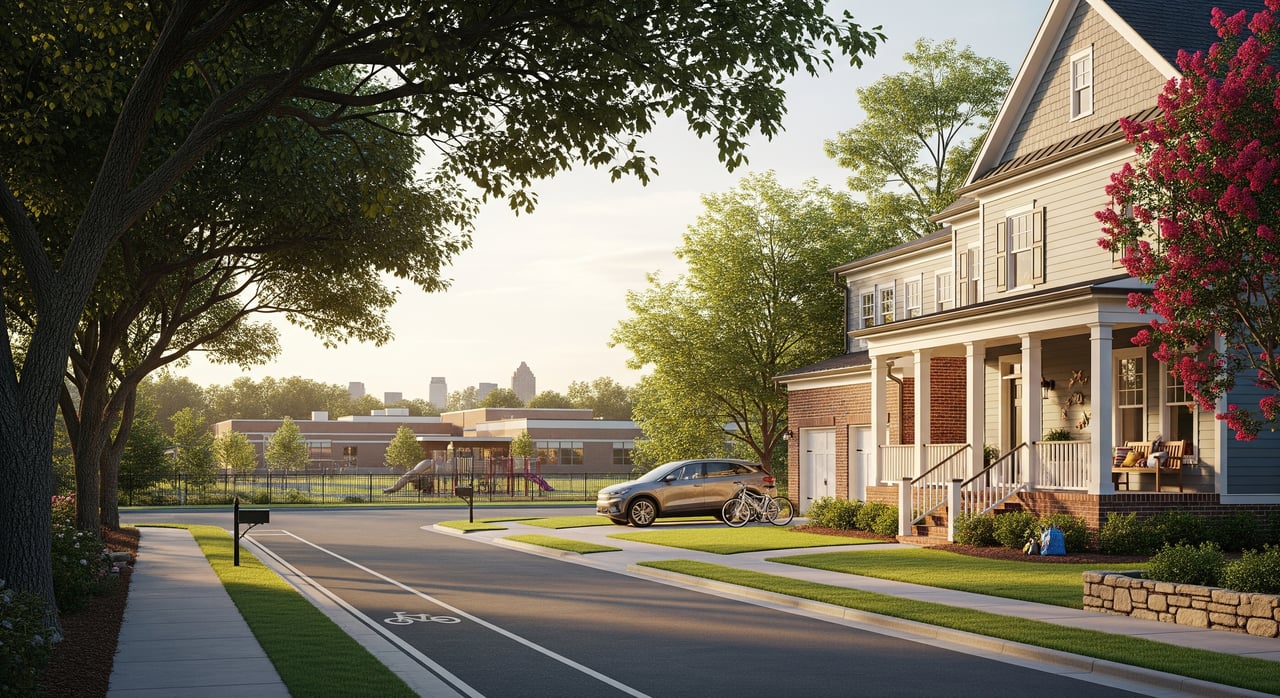
Cary sits in Wake County within the Raleigh–Durham–Chapel Hill Triangle. Many residents work in Research Triangle Park (RTP), downtown Raleigh, or at leading hospitals and universities. You’ll find a mix of established neighborhoods and newer master-planned communities, along with a strong parks and greenway network.
Cary’s median household income trends higher than state averages, and buyer demand often follows the region’s tech, biotech, and health sectors. Seasonality matters. Spring brings more listings, while specific school zones can drive competition at any time of year.
Home types and price ranges
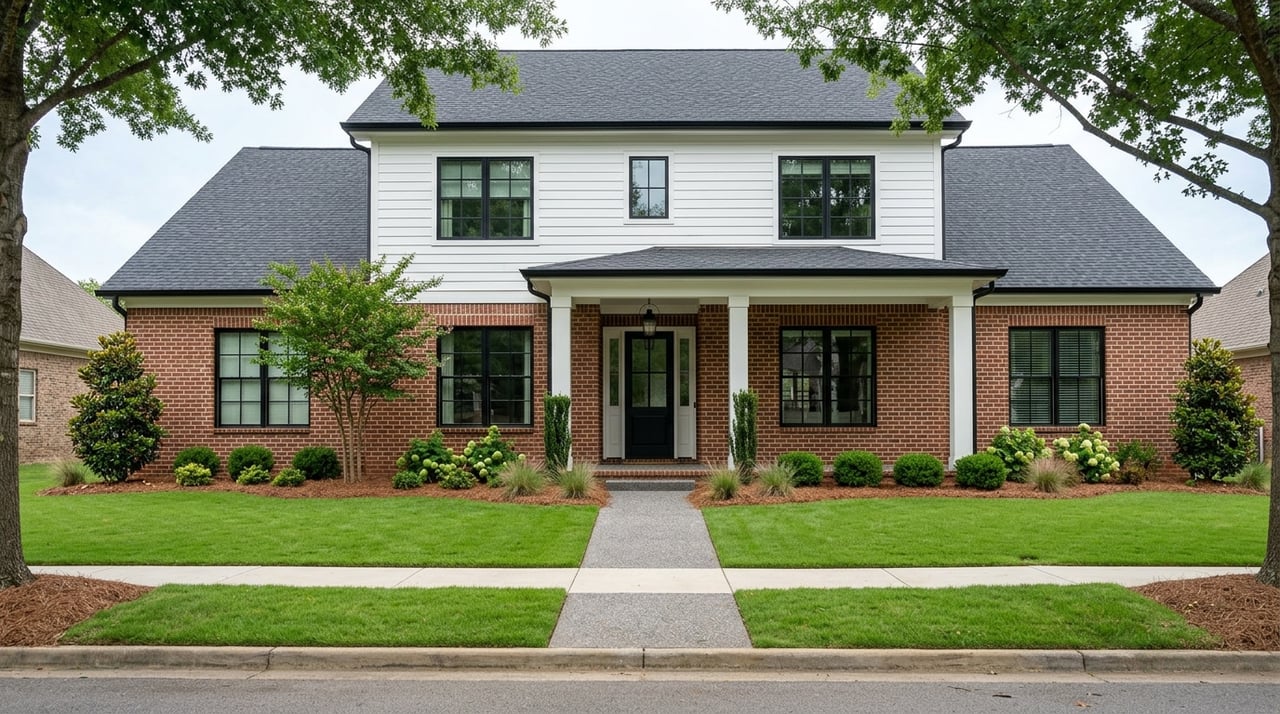
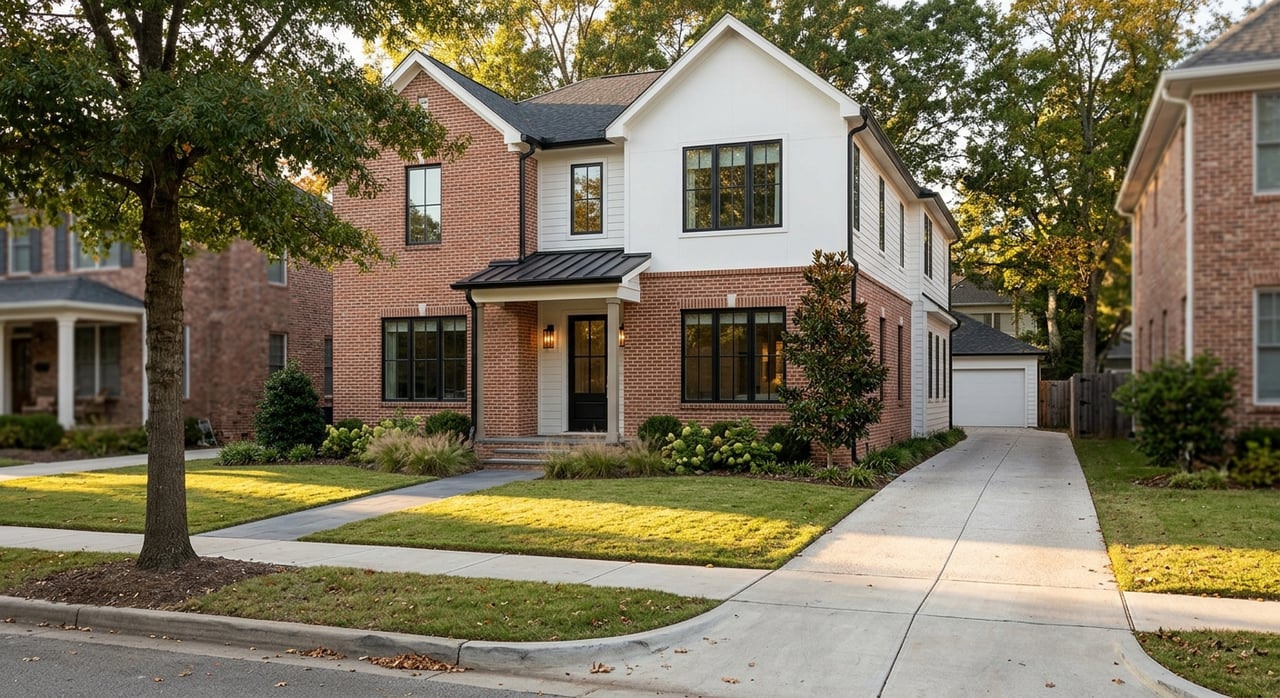
You’ll see a wide range of homes across Cary. Single-family homes dominate, from older ranch and traditional plans to newer Craftsman and transitional builds in planned communities. There are also townhomes, patio homes, and a smaller number of condos. Luxury and golf-course communities exist alongside 55-plus and downsizer-friendly options.
Typical price bands you’ll encounter:
- Entry condos/townhomes: often in the lower $200,000s to $350,000 range for older or smaller units.
- Mid-range single-family: commonly $400,000 to $700,000 depending on lot, age, and location.
- Upper-end and luxury: $700,000 to $1.5M-plus in sought-after pockets and gated or golf communities.
New construction in desirable areas can carry a premium. Resale inventory varies by neighborhood, and school assignment can influence pricing and competition.
Neighborhood trade-offs to know
Location inside Cary shapes your commute options, school assignments, and lifestyle. Proximity to I-40, US-1/US-64, NC-540, and NC-55 has a big impact on drive times. School boundaries do not always match neighborhood names, so always verify the assigned schools by property address.
Downtown Historic Cary and Bond Park
- Character: Walkable core with older bungalows, mid-century homes, and some infill townhomes and condos. Strong local dining, retail, and events.
- Trade-offs: Smaller lots and varied school assignments by block. Great access to amenities and parks; most errands are nearby.
Western Cary, Preston, Lochmere, Highcroft
- Character: Established, upscale neighborhoods, golf-course communities, and larger lots with mature trees.
- Trade-offs: Higher prices and a quieter suburban feel. Depending on the exact location, you may have streamlined access to RTP or a slightly longer hop to certain interchanges.
Northwest Cary, Amberly, Waverly, Panther Creek
- Character: Newer master-planned communities with mixed-use nodes, pools, trails, and community amenities.
- Trade-offs: Newer schools and neighborhood facilities are a draw. Many areas enjoy quick access to NC-540 and I-40 for regional commuting.
Eastern Cary, Cary Park, Carpenter, New Hope Church Rd. vicinity
- Character: Mid-age subdivisions with convenient routes toward Raleigh.
- Trade-offs: Often faster access to downtown Raleigh and state government hubs. Prices can be a bit lower here than in the most premium western pockets.
Schools: how to research with confidence
Cary is primarily served by the Wake County Public School System (WCPSS), one of the largest districts in the country. Many families find strong academic options in and around Cary, but performance varies by zone, and assignments can change with boundary updates.
Use this simple process when schools are a priority:
- Confirm the current school assignment for any address using Wake County’s official school locator.
- Review objective performance data on the North Carolina Department of Public Instruction’s state report cards.
- Ask your agent to check for recent or pending boundary studies that could affect future assignments.
- Explore programming details that matter to your student, such as AP, IB, career and technical courses, or special services.
Wake County also operates magnet and transfer lotteries in specific cases. Private and charter options exist across the Triangle. If these are part of your plan, include proximity and availability in your search criteria.
Commute times and ways to get around
Your commute depends on where you live in Cary and where you work. Typical one-way drive times:
- Cary to RTP: about 10 to 35 minutes depending on your neighborhood and which part of RTP.
- Cary to downtown Raleigh or NC State area: roughly 20 to 40 minutes in lighter traffic, and 30 to 60 minutes or more during peak hours.
- Cary to major Raleigh hospitals: around 20 to 35 minutes from central Cary, varying by route and traffic.
- Cary to Duke or UNC Hospitals: often 35 to 60 minutes depending on congestion and corridor.
Key corridors include I-40, US-1/US-64, NC-55, and NC-540. Peak bottlenecks often occur inbound to RTP or downtown in the morning and outbound in the evening, especially near I-40/I-540 and the I-40/US-1 splits. Construction can change conditions, so test sample commutes at real-world times.
Public transit options include local GoCary routes and regional GoTriangle service, with several park-and-ride lots. Walkability is strongest near historic downtown and some mixed-use districts like Waverly, while many neighborhoods offer trail access and greenways. As of mid-2024, there is no active commuter rail or light rail connecting Cary to downtown Raleigh.
For hybrid or remote households, consider address-level broadband availability, proximity to co-working, and quiet lots for dedicated office space.
Four real-life scenarios to pressure-test your fit
A) Dual-commute household
- Map both office addresses and run live commute tests from two or three target neighborhoods.
- Balance total household commute time and plan for garage and parking needs.
- If one works in RTP and the other in Raleigh, look at areas with quick access to both NC-540 and I-40.
- Factor childcare drop-off and evening activities into your route planning.
B) Remote-first worker
- Prioritize layouts with a dedicated office, good natural light, and sound separation.
- Check for high-speed internet providers available to the specific address.
- Live near trails, parks, and coffee spots for daytime breaks and social connection.
- Consider long-term resale. Homes aligned with strong school zones often hold value.
C) School-priority family
- Start with the school zone, then filter by homes within that assignment rather than searching by neighborhood name alone.
- Verify potential boundary changes and new school openings.
- Look at both performance metrics and capacity indicators.
- Expect price premiums in highly sought-after zones and plan your budget accordingly.
D) Price-sensitive buyer
- Explore older pockets and townhomes near downtown or along eastern corridors for potential savings.
- Weigh a slightly longer commute against lower monthly mortgage costs.
- Use test drives to put real numbers to the time-and-gas trade-off.
- Consider homes that need light updates if layout and location are strong.
Putting it together: a simple decision path
- List your must-haves in three buckets: commute, schools, and home features. Pick your top two.
- Choose two to three Cary subareas that align with those priorities.
- Test the commute during peak hours from each subarea to your real work addresses.
- Verify school assignments and review state report card data for any front-runners.
- If new construction appeals to you, compare builder timelines and lot premiums to similar resale options.
Work with a guide who knows Cary
If you want a confident, low-friction search, partner with a team that blends local intel with data and execution. SB Real Estate brings concierge-level relocation support, virtual and FaceTime tours, curated map tours, and deep neighborhood knowledge across Cary’s custom and luxury segments. Our data-first approach helps you price trade-offs, and our vendor network streamlines everything from inspections to light renovations so you can move forward with clarity.
Ready to explore Cary with a plan tailored to your life? Reach out to SB Real Estate to schedule your Personal Consultation.
FAQs
How long is the commute from Cary to RTP during rush hour?
- Expect roughly 20 to 45 minutes depending on your Cary neighborhood, your exact RTP destination, and current traffic conditions.
Which Cary areas are most walkable for daily errands?
- Historic Downtown Cary and the Bond Park area offer stronger walkability, while mixed-use districts like parts of Waverly provide clustered retail and dining nearby.
How do school assignments work in Wake County if I buy in Cary?
- Wake County Public Schools assign based on your home address, and boundaries can change over time; verify the current assignment for each property and check any active boundary studies.
Are there public transit options for commuting from Cary?
- Yes. Local GoCary routes connect within town, and regional GoTriangle buses serve RTP, Raleigh, and other Triangle destinations, with park-and-ride options.
Is new construction common in Cary, and does it cost more?
- New-construction neighborhoods are common in several Cary corridors and often carry premiums for location, amenities, and modern features compared with similar resale homes.
How competitive is the Cary housing market right now?
- Competition varies by price point, season, and school zone. Desirable pockets can see faster offers, while broader inventory and timing influence days on market.