Raleigh Cost of Living 2026: Detailed Relocation Guide
Saira Bruno December 2, 2025
Saira Bruno December 2, 2025
If you’re thinking about relocating to Raleigh, one of the first things you’ll want to understand is the cost of living. Raleigh continues to grow, but it still offers a strong balance of value, lifestyle, and opportunity compared to many major U.S. cities.
Here’s a simple breakdown of what life here really costs and why so many families and professionals make this move every year.
Housing is where Raleigh stands out compared to larger metro areas. Buyers coming from the Northeast, West Coast, Chicago, and major urban markets almost always feel like they get “more house for the money.”
Average resale home: around $520,000
New construction: $550,000–$900,000
Townhomes/condos: $325,000–$475,000
Luxury markets (ITB, Cary, North Hills): $1.1M–$3M+
Many relocating clients choose Raleigh for the mix of newer homes, functional layouts, and larger lots—all hard to find in older cities.
Wake County property taxes are often lower than what many new residents expect.
Effective rate: about 0.75%–0.85%
Example: A $600,000 home usually carries a $4,500–$5,100 annual tax bill.
Lower taxes are one of the biggest financial advantages for families moving in from high-tax states.
Utility costs stay close to the national average and are easier to manage in newer construction.
Electric: $140–$225 per month
Gas: $30–$60
Water/sewer: $70–$110
Internet: $60–$100
Most households see predictable monthly expenses, which helps with budgeting during a major move.
Food costs in Raleigh are manageable:
Groceries: 3–7 percent lower than the national average
Casual dining: $12–$18 per person
Mid-range restaurants: $18–$35
Upscale dining: $40–$75
The Triangle is also known for its expanding food scene and farm-to-table restaurants.
Raleigh is still a driving city, but the commute is much easier than in other markets.
Daily commute: 15–25 minutes for most people
Gas prices match national averages
Car insurance costs less than in major metro areas
Easy parking outside downtown
Shorter commutes mean more time for your family, your career, and your quality of life.
School options are a major reason many families move here.
Daycare: $1,200–$1,600 per month
Part-time preschool: $350–$650
Private school: $10,000–$25,000 per year
Public/magnet schools: No tuition, strong choices across the county
The flexibility in school options is a huge draw if you’re moving from an area with limited availability.
Raleigh offers a wide range of affordable activities:
Gym memberships: $30–$80 per month
Boutique fitness: $120–$200
Museum memberships: $50–$125 per family
Youth sports: $150–$300 per season
Greenways, parks, lakes: mostly free
Your lifestyle dollar stretches farther here.
On average, Raleigh is:
20–35 percent cheaper than New York or Boston
15–25 percent cheaper than D.C.
10–20 percent cheaper than Chicago
25–40 percent cheaper than San Francisco or Los Angeles
Similar or slightly lower than Charlotte or Atlanta
Most relocating families find that their cost of living goes down while their quality of life goes up.
Relocating is not just a move. It’s a major life transition—new job, new schools, new rhythms, and a new community.
That’s where I come in.
I know what matters most when you’re choosing a home from far away: commute time, school options, micro-market differences, safety, build quality, and long-term resale potential.
I record detailed walkthrough videos, point out risks, and break down comps in plain language so you can make smart decisions without flying in for every showing.
I build a seamless, step-by-step plan that fits your schedule — not the other way around.
From living here, raising a family here, and selling across every corner of the Triangle, I bring experience you can’t get from a generic relocation guide or a national brokerage.
Whether it’s new construction, resale, or neighborhood discovery, my job is to make sure you buy the right home in the right location at the right price.
If you want to see how Raleigh compares specifically to your current city—including housing, cost of living, taxes, commute, and the best neighborhoods for your lifestyle:
👉 Message me for a custom comparison.
I’ll run the numbers and help you plan your move with confidence.

At SB Real Estate, we help luxury buyers evaluate not only whether they love a property, but whether the price, condition, location and long-term value make sense.

If you’ve been paying attention to the news lately, you’ve probably heard a lot about the Federal Reserve and whether it will lower interest rates.
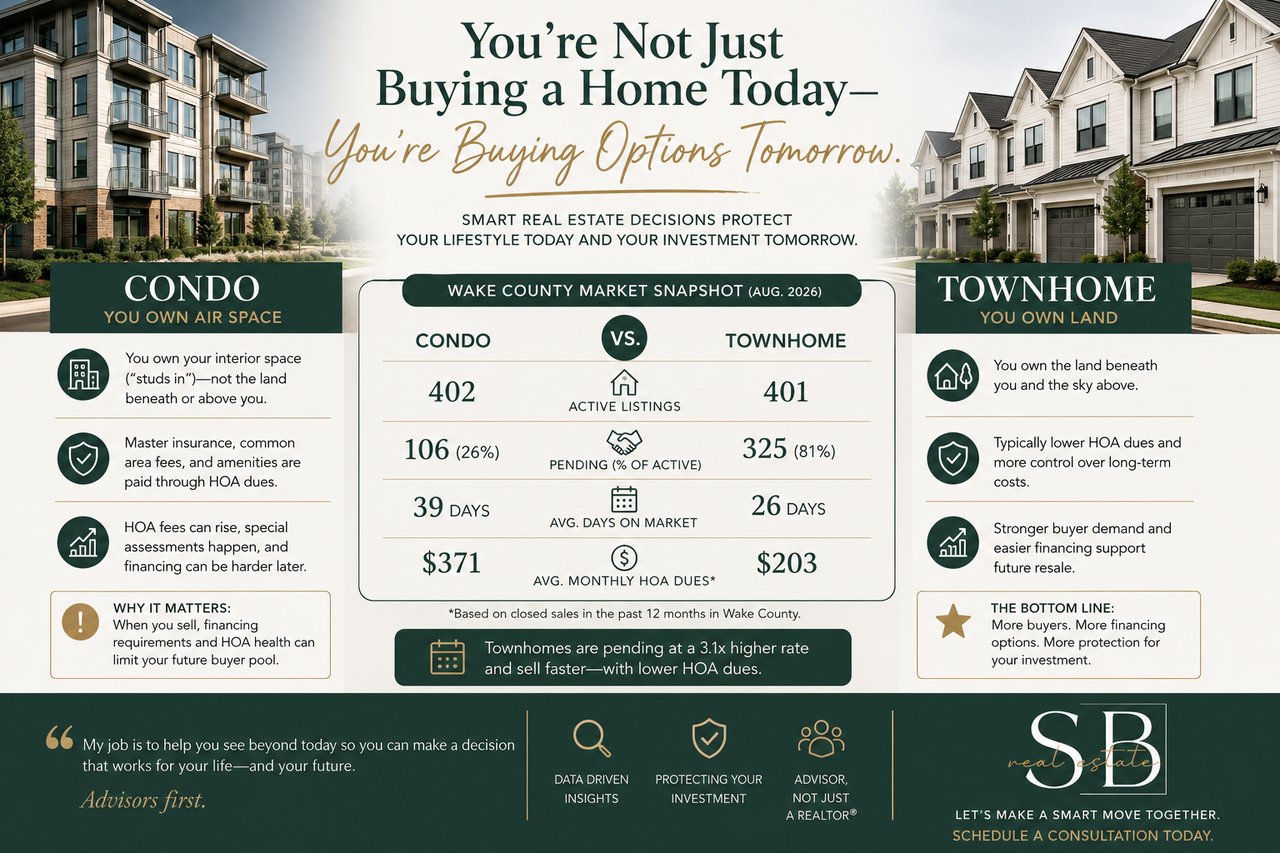
Why I Rarely Recommend Condos to Triangle Home Buyers and What You Should Know Before Buying One
Why We Stage Every Home We List
Discover what it's really like to live in Raleigh, from neighborhood culture and community to schools, lifestyle, and the day-to-day experience that makes so many peop… Read more
We pride ourselves in providing personalized solutions that bring our clients closer to their dream properties and enhance their long-term wealth. Contact us today to find out how we can be of assistance to you!