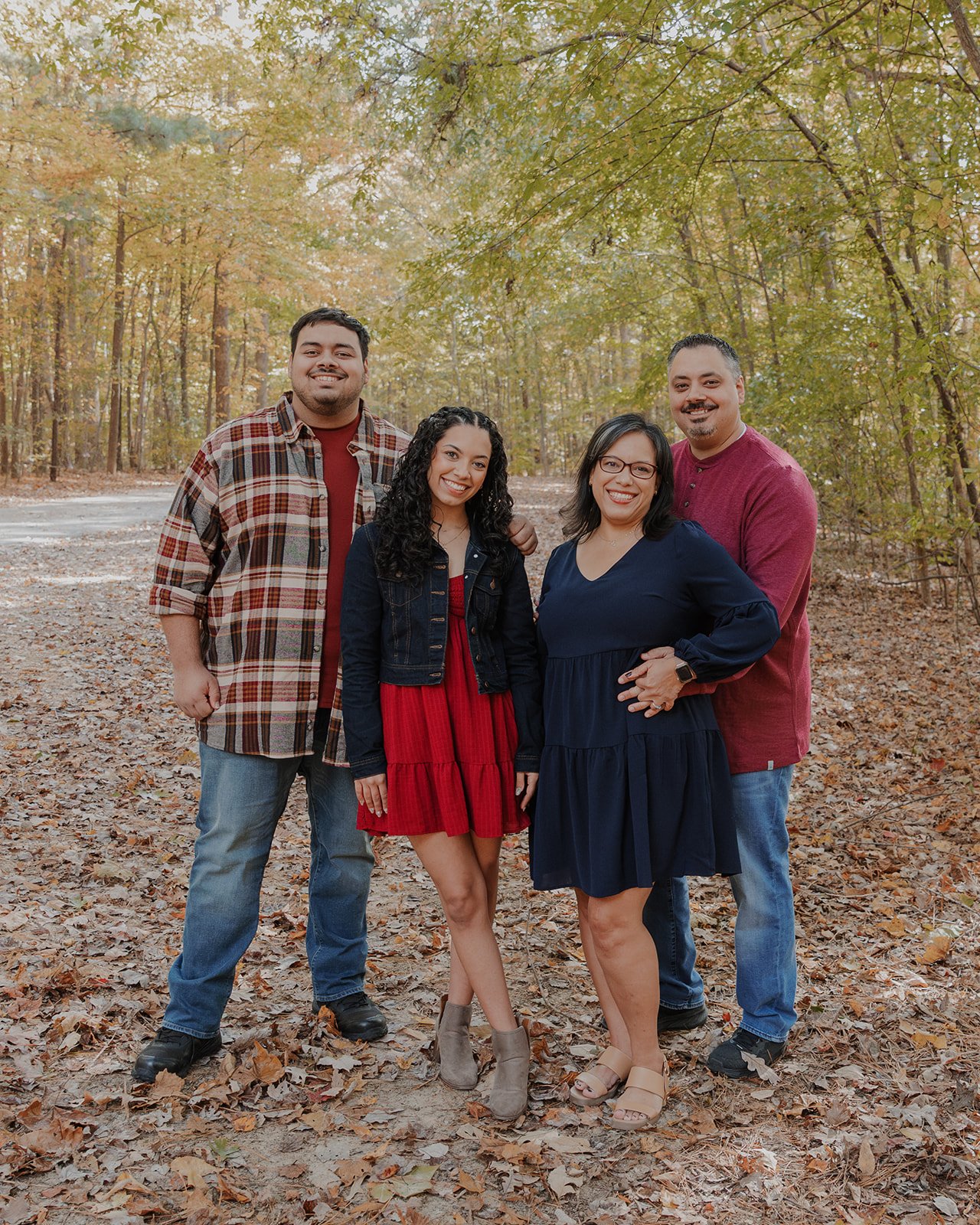
Smart Questions to Ask When You Want a More Inclusive Community
Tiffany Malgrat November 26, 2025
Tiffany Malgrat November 26, 2025
By Tiffany Malgrat, Triangle Realtor & Community Connector, SB Real Estate
Choosing the right home is important — but choosing the right community is life-changing. More and more homebuyers today want neighborhoods that feel welcoming, diverse, supportive, and connected. Whether you’re a first-time buyer or moving for a lifestyle upgrade, the community around your home can shape your daily experience, your relationships, and your long-term happiness.
As a Realtor who works all across the Triangle — and someone who has built meaningful community spaces myself (including a daycare environment designed around family needs) — I guide clients not just to the right home but to the right village.
Here are the smartest, most strategic questions to ask when you’re looking for a more inclusive, community-oriented neighborhood.
Inclusive neighborhoods welcome:
Families with kids
Singles and couples
Multigenerational households
Renters and owners
First-time buyers
Retirees
Look for mixed housing options: townhomes, condos, single-family homes, and varying price points. The broader the range, the more diverse — and often, the more vibrant — the community.
My advantage: I help buyers analyze inventory trends across the Triangle to understand where price diversity supports true community diversity.
Families of all backgrounds rely on supportive childcare, and proximity to credible providers is one of the strongest indicators of an inclusive, family-friendly neighborhood.
You should evaluate:
Daycare availability
Early learning centers
Afterschool programs
Parks and recreation offerings
Walkability to kid-friendly spaces
Why this matters: I bring unique insight, having created a daycare space myself. I can help parents evaluate schools and child-care providers with a trained, experienced eye.
Great neighborhoods have places where people naturally gather — sometimes called third places. Ask about:
Community centers
Libraries
Local cafés
Neighborhood events
Farmers markets
Parks, trails, and greenways
Pools and playgrounds
If community-building opportunities exist, people feel more connected — and newcomers feel more welcomed.
Ask about:
Block parties
Book clubs
Holiday events
HOA or non-HOA gatherings
Online community groups (Facebook, Nextdoor, etc.)
A connected neighborhood is often a more inclusive one. People who interact, celebrate, and plan together naturally create a safer, more welcoming environment.
As a Realtor who runs a referral-based business, not a lead-buying operation, I spend time getting to know people, neighborhoods, and community dynamics across the Triangle.
I can share insights such as:
How welcoming residents are to newcomers
Whether neighbors look out for each other
How well the area supports people with different needs
What clients have said after moving in
Real-life experiences can tell you more than any statistic ever could.
A truly inclusive neighborhood offers accessible:
Sidewalks
Crosswalks
Public transit stops
Safe roadways
Multi-use trails
Mobility-friendly paths for strollers, seniors, and those with accessibility needs
These features help everyone — from retirees to families with young children.
Inclusive communities support:
Small businesses
Diverse ownership
Local creatives
Family-friendly establishments
Spaces that serve all ages
Neighborhoods with rich business ecosystems tend to be more welcoming, connected, and supportive.
Choosing the right home in the Triangle isn’t just about square footage — it’s about choosing the right community lifestyle.
As your Realtor, I provide:
My goal is simple: to make sure you don’t just buy a home… you find your people.
If you're ready to explore neighborhoods that feel safe, connected, and welcoming, I’d love to share my expertise and guide your search.
What $2 million buys in Raleigh, which luxury neighborhoods and builders to explore, and why the right strategy matters before you tour the 2026 Triangle Parade of Hom… Read more

7 Submarkets Compared
If you’ve been renting in Raleigh or the Triangle since 2020, the question may not be whether you missed your chance to buy. It may be what waiting for the “right” mar… Read more
We pride ourselves in providing personalized solutions that bring our clients closer to their dream properties and enhance their long-term wealth. Contact us today to find out how we can be of assistance to you!