Chapel Hill Estate Living: Space, Privacy And Lifestyle
July 9, 2026
July 9, 2026
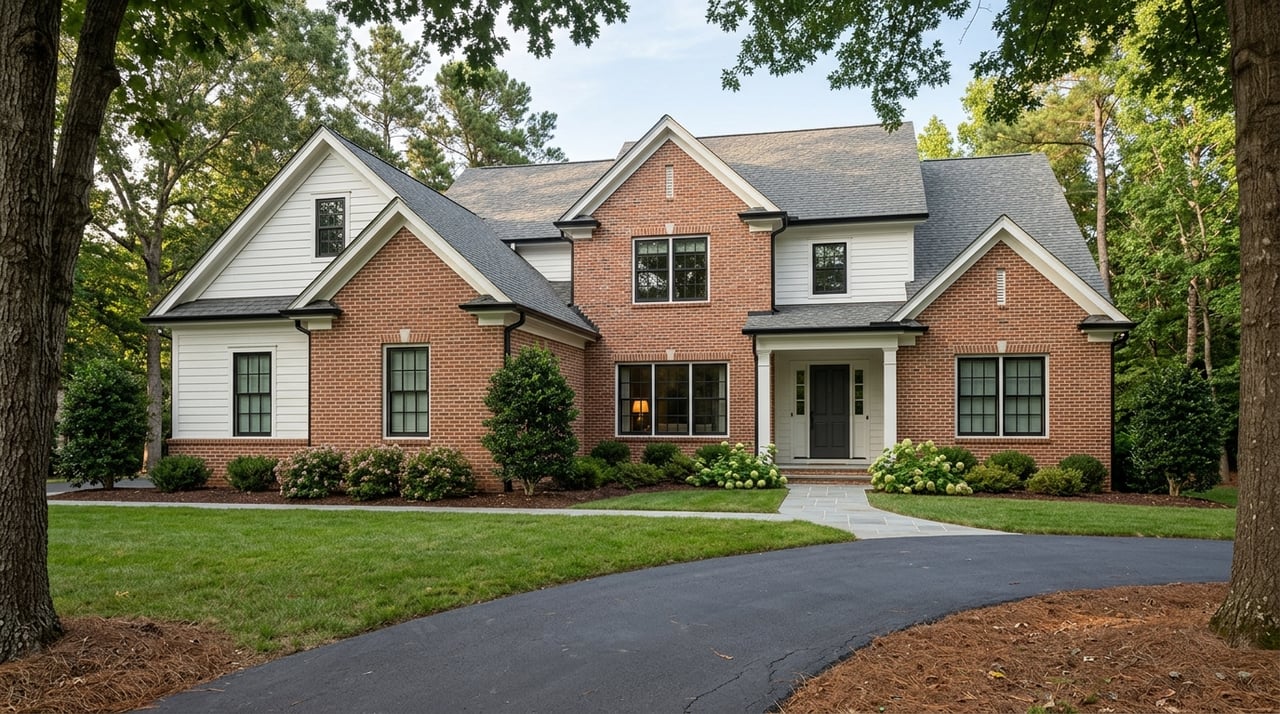
If you picture estate living as being far from everything, Chapel Hill may surprise you. Here, space and privacy often come with wooded surroundings, trail access, and a short connection to the places that shape daily life. If you are thinking about buying or selling an estate-style home in Chapel Hill, this guide will help you understand what the lifestyle really looks like and what matters most as you evaluate a property. Let’s dive in.
In Chapel Hill, estate living does not come in just one format. Town materials show that single-family residential minimum lot sizes can range from 5,500 square feet to 217,800 square feet depending on the zoning district or overlay. The result is a broad range of home settings, from generously sized suburban lots to much larger, more secluded parcels.
That variation matters because the feel of an estate property is shaped by more than square footage alone. The lot itself, setbacks, tree cover, and nearby development all influence how private and spacious a home feels day to day. In Chapel Hill, two homes with similar size can live very differently depending on their setting.
One of the biggest draws of Chapel Hill estate living is the wooded landscape. The town describes its trail network as a mix of paved greenways and natural-surface routes that wind through forested areas, with ongoing connections that help residents reach work, school, shops, and restaurants without a car. That natural framework gives many residential areas a buffered, tucked-away feel.
This helps explain why buyers often connect Chapel Hill with privacy and greenery. Instead of a typical luxury pattern where larger homes sit in more open suburban settings, Chapel Hill often layers homes into a landscape of mature trees, trails, and open space. The result can feel calm and secluded without feeling isolated.
Several local trails reflect that character clearly:
Merritt’s Pasture also connects directly to Morgan Creek Trail and Fan Branch Trail, showing how open space and residential living often overlap in Chapel Hill. For many buyers, that setting is a major part of the appeal.
A private home does not always mean a disconnected lifestyle in Chapel Hill. The town points to downtown, Southern Village, University Place, and other business districts as part of everyday life. That means many estate-style properties can offer a sense of retreat while still keeping errands, dining, and casual entertainment within easy reach.
This is one of the clearest lifestyle advantages in the area. Rather than choosing between privacy and convenience, you may be able to enjoy both, depending on the location of the property. In Chapel Hill, that balance often defines the estate market more than sheer home size alone.
Southern Village is described by Visit Chapel Hill as a new urban neighborhood a few miles south of UNC, with Market Street within walking distance and lined with restaurants, shops, services, and the Lumina theater. The village green also hosts outdoor movies and concerts in season. That creates a pattern where residential areas and daily conveniences are closely linked.
Meadowmont Village offers a similar benefit. It is described as recalling a town square, with shopping, dining, and services, and the town’s trail pages note that parking and trail access are spread throughout the village. For buyers who want a home that feels tucked away but still connected to daily routines, this village-style layout can be especially appealing.
Chapel Hill estate living is also shaped by the town’s identity beyond the home itself. The Town of Chapel Hill highlights UNC-Chapel Hill, arts and culture, parks and green spaces, and local businesses as defining parts of the community. That adds a rhythm and personality that stands apart from many luxury suburban markets.
Visit Chapel Hill describes Franklin Street as the center of social life for both the university and the town, with coffee shops, restaurants, museums, music stores, and bars. The visitors bureau also notes Chapel Hill’s walkability, bicycle friendliness, and fare-free in-town bus transit. Even if your home is on a larger, more private parcel, you are still tied into a town with an active public life.
For many buyers, that is the real draw. Estate living here is not only about the house and lot. It is also about being near a community with visible energy, culture, and everyday activity.
Before you get attached to a Chapel Hill estate property, it helps to slow down and confirm the details that affect how the property can actually be used. The town specifically advises owners to check legally recorded plats, professional surveys, and the zoning district on its GIS tools. That is especially important when a lot appears private, wooded, or unusually large.
Private covenants and HOA agreements also matter. Chapel Hill notes that private covenants can be more restrictive than town code, so the neighborhood’s recorded rules may shape what you can do just as much as zoning does. A property may look flexible at first glance, but the recorded documents tell the fuller story.
Here are some of the most important due-diligence items to review:
For buyers relocating to the Triangle or purchasing remotely, this step is especially important. A home can photograph beautifully, but estate value often depends on the lot, surroundings, and restrictions just as much as the structure itself.
Sometimes, yes. In Chapel Hill, Southern Village and Meadowmont are the strongest examples of village-center areas where trails and retail are concentrated enough to support shorter trips on foot or by bike in the right location. If that lifestyle matters to you, the exact parcel placement becomes very important.
At the same time, walkability is highly property-specific. A large and private lot may be close to a village center but not directly walkable from the front door in a practical, everyday sense. In this market, it helps to think in terms of access and proximity rather than broad assumptions.
If you are preparing to sell an estate-style home in Chapel Hill, your marketing story should go beyond square footage. According to the research, the strongest selling points usually include privacy, mature trees, access to trails or open space, and proximity to village-style retail and the university-town core. These are the qualities that consistently shape Chapel Hill’s appeal.
That means presentation should focus on how the property lives, not just what it includes. Buyers often want to understand the relationship between the home, the lot, the landscape, and nearby daily amenities. A strong listing should help them picture that balance clearly.
For many sellers, that may mean emphasizing:
For higher-end properties, thoughtful preparation and polished marketing can be especially important because buyers are often comparing not just homes, but the full lifestyle each one offers.
The biggest takeaway for Chapel Hill estate living is simple: the property experience is shaped by contrast. You may have a larger, more private residential setting while still staying close to trails, retail villages, and a lively town center. That blend is a big part of what makes the area stand out.
Because of that, the lot deserves as much attention as the home itself. In Chapel Hill, wooded cover, setbacks, access, and surrounding development can all influence how a property feels and functions over time. If you are buying or selling in this segment, understanding that full picture is key.
Whether you are relocating, searching for more privacy, or planning to position a distinctive property for the market, a clear local strategy matters. SB Real Estate brings a concierge approach, polished marketing, and thoughtful guidance to help you navigate estate and luxury opportunities across the Triangle.

Moving to Raleigh NC? How to Choose the Right Neighborhood and Schools | Saira Bruno

Discover how to choose a neighborhood that fits your lifestyle, daily routines, and future goals—not just your home search.

Are homes with well water harder to maintain?
I don't believe AI is replacing great Realtors anytime soon
We pride ourselves in providing personalized solutions that bring our clients closer to their dream properties and enhance their long-term wealth. Contact us today to find out how we can be of assistance to you!