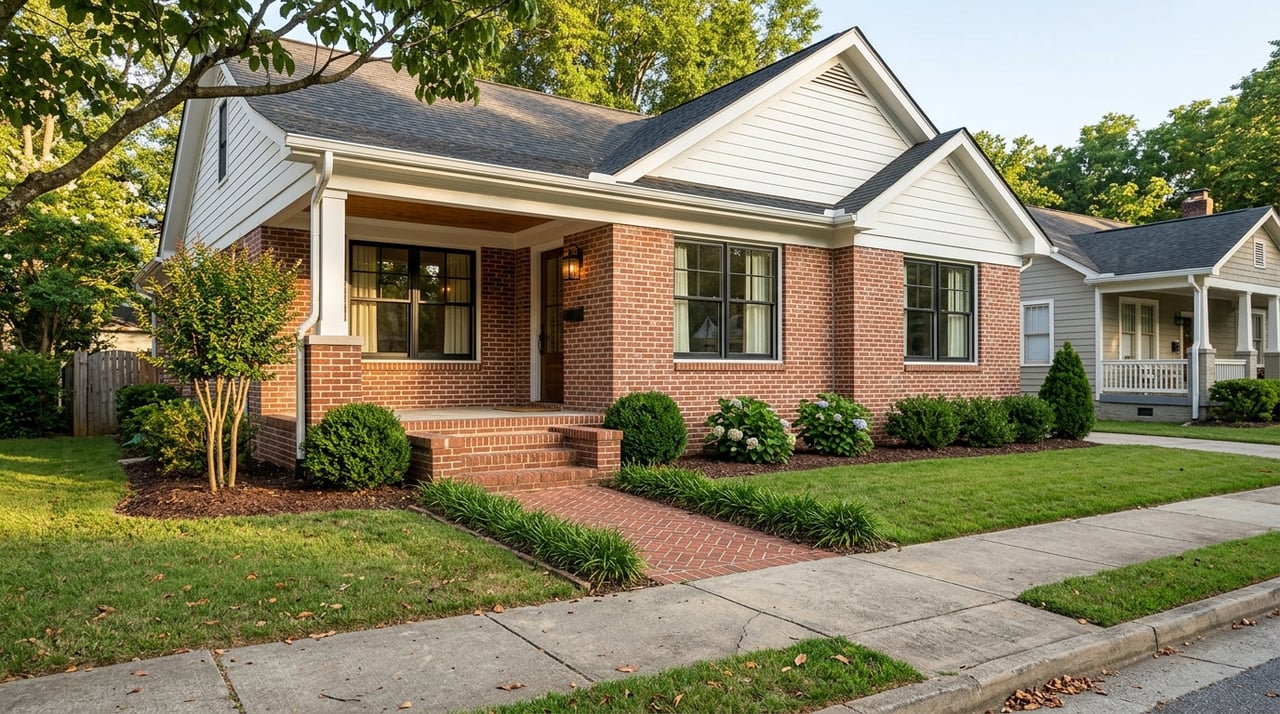
Apex NC: Downtown Charm Or Planned Community Ease?
June 18, 2026
June 18, 2026
Trying to decide between historic charm and newer convenience in Apex? You are not alone. Many buyers moving within the Triangle or relocating from out of state end up weighing the same question: do you want a home near the heart of Downtown Apex, or would a newer planned community fit your day-to-day life better? This guide breaks down how each option feels, functions, and supports different priorities so you can narrow your search with more confidence. Let’s dive in.
Apex gives you two very different versions of home life, and both appeal for good reasons. On one side, you have Downtown Apex, the town’s historic center with a walkable layout, older architecture, and a strong sense of place. On the other, you have newer planned communities built around modern floorplans, lower-maintenance living, and neighborhood amenities.
Neither choice is universally better. The right fit depends on how you want your weekdays, weekends, commute, and home maintenance to feel.
Downtown Apex is officially a National Register Historic District in the center of town. According to the Town of Apex, the district dates roughly from 1870 to 1950 and includes more than 150 contributing structures across residential, commercial, and institutional uses.
The area is known for architectural styles such as Queen Anne, Bungalow/Craftsman, Neocolonial Revival, and commercial-style buildings. The town describes Apex as one of North Carolina’s best examples of an intact turn-of-the-century railroad town, which helps explain why the area feels so distinct from newer parts of the market.
Just as important, downtown is designed for a pedestrian-friendly experience. Town information highlights walkable streets, local businesses, dining, events, and public gathering spaces that support a more connected daily rhythm.
If you enjoy being able to step outside and feel part of the town, downtown can be very appealing. The experience tends to center on strolling to restaurants, meeting friends, browsing local shops, and taking part in community events.
Downtown Apex also includes The Local Spot, the town’s social district. That setup allows visitors to carry beverages from participating businesses while walking around downtown and visiting restaurants, retail, and public areas, which adds to the area’s active and social feel.
Historic areas often attract buyers who value character more than uniformity. In Apex, that can mean homes and buildings with more architectural detail, older construction, and a setting that feels layered over time rather than newly built all at once.
That said, downtown living is usually less about private neighborhood amenities and more about access to the town center itself. If your ideal routine includes a pool, newer finishes, or a more standardized neighborhood layout, you may want to compare downtown carefully against newer community options.
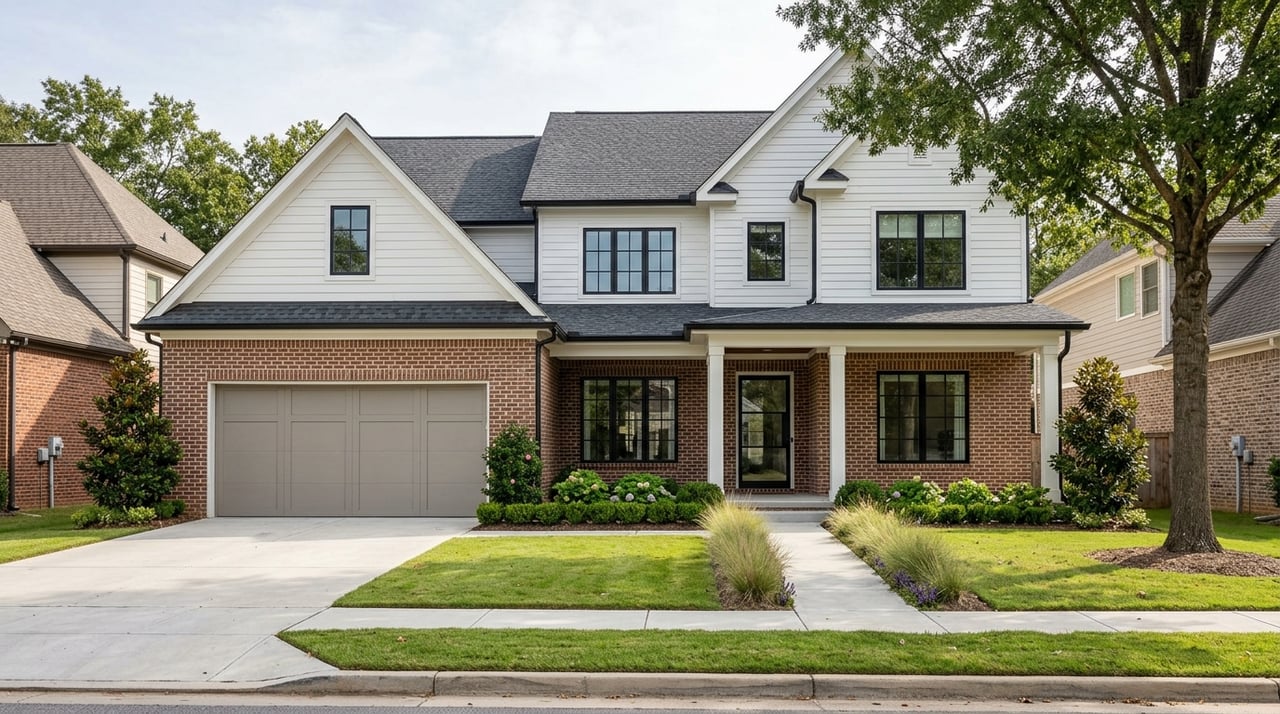
Newer planned communities in Apex offer a very different lifestyle. Instead of a historic town-center setting, these neighborhoods tend to focus on modern homes, simplified upkeep, and amenities built into the community.
Current examples in Apex show the pattern clearly. Newer neighborhoods are being marketed with townhomes and single-family homes, along with features such as pools, bath houses, lawn care, pickleball courts, and open green space.
Brookside, a new 55+ neighborhood on Olive Chapel Road, is one example of this low-maintenance model. Builder information says it spans more than 21 acres, includes 79 townhomes, and offers features such as main-level primary suites and open-concept layouts designed around easier living.
Horton Park and The Townes at Horton Park show another side of Apex’s newer-home market. Builder materials describe a brand-new community with future pool and bathhouse amenities, plus a mix of single-family homes and townhomes near Ten-Ten Road, major highways, shopping, dining, and recreation.
For many buyers, newer communities solve practical problems. You may want a newer floorplan, lower exterior maintenance, built-in recreation, or a more predictable neighborhood setup.
This option can also appeal if you want home features that support convenience from day one. Open-concept designs, amenity packages, and proximity to major roads often make these communities attractive for busy professionals, downsizers, and buyers who want a more turnkey experience.
A helpful way to think about the choice is to imagine an average Tuesday, not just a Saturday afternoon. Your home should support how you actually live most of the time.
Downtown Apex tends to support a rhythm built around local walking, dining out, and town events. Planned communities tend to support a routine centered on driving, neighborhood amenities, and a home that may require less day-to-day upkeep.
If walkability matters most, downtown has a clear advantage. The town describes the historic core as pedestrian-friendly, with shops, dining, events, and public spaces all close together.
If amenities matter most, planned communities often come out ahead. Newer neighborhoods may include shared features like pools, courts, green space, and lawn care that make life feel easier and more contained within the community.
Downtown homes often offer more individuality. Because the district developed over many decades, the streetscape and architecture can feel more varied and distinctive.
Planned communities usually offer more consistency. Streets, homes, and amenities are designed as part of a larger whole, which can create a cleaner, more uniform feel that many buyers appreciate.
One thing that makes Apex especially appealing is that outdoor access is not limited to one type of neighborhood. Whether you prefer downtown or newer communities, parks and trails are a major part of the local lifestyle.
Apex Community Park spans 160 acres and includes a lake, trails, athletic fields, courts, picnic areas, and fishing access. Apex Nature Park and Seymour Athletic Fields cover more than 160 acres and include an amphitheater, dog park, trails, and sports fields.
Kelly Road Park adds playgrounds, courts, a softball field, and a trailhead to Beaver Creek Greenway. The town also notes that Apex maintains more than 13 miles of public greenways, while the American Tobacco Trail runs more than 22 miles from Apex to Durham.
Downtown leans more on public gathering places, events, and town-center walkability. Newer communities often combine neighborhood amenities with convenient access to nearby parks and greenways.
Apex is also continuing to invest in recreation. Pleasant Park, identified by the town as its newest park, includes multi-purpose fields, courts, and a 1.5-acre Enchanted Forest playground with a splashpad.
Even if you love walkability, Apex is still largely a car-first town. That matters when you compare living close to downtown with living in a newer community near major road corridors.
Town materials place Apex near US-1 and US-64, with connections to NC-540, NC-55, and I-40. The town also positions itself near the center of the Research Triangle region and minutes from RTP and RDU.
Public transit is available, though more limited than in a larger city. GoApex Route 1 is free and, as of April 18, 2026, runs every 30 minutes on weekdays during the day and hourly at night and on Sundays.
Additional service includes GoCary Route 9 between Downtown Apex and Downtown Cary, plus GoTriangle Route 305 serving Apex, Raleigh, and Holly Springs. Route 311 is scheduled to return in August 2026 to serve Downtown Apex, RTP, and the GoTriangle Regional Transit Center.
For many buyers, the practical takeaway is simple. Downtown may support more walking for local errands and social time, while planned communities may better match a road-oriented commute with neighborhood conveniences built in.
If you want historic architecture, a compact town center, restaurants and events nearby, and a traditional small-town street experience, Downtown Apex may feel like the stronger fit. It tends to suit buyers who value atmosphere, walkability, and the character that comes with an established historic core.
If you want a newer home, lower-maintenance living, community amenities, and easy access to major roads, a planned community may be the better match. It often works well for buyers who prioritize convenience, layout efficiency, and a more turnkey setup.
Before you decide, consider these practical questions:
The right answer usually becomes clearer once you match your home search to your actual routine, not just your wishlist.
If you are comparing Downtown Apex with newer neighborhoods, having a local strategy matters. SB Real Estate helps buyers across Apex and the Triangle narrow their options with clear guidance, neighborhood insight, and a more informed search process.
Inventory is rising across the Triangle, but not all markets are behaving the same. Here's what months of supply tells us about buying, selling, investing, and choosin… Read more
Over the past five years, Saira Bruno has personally helped clients buy and sell 135 homes totaling nearly $78 million in sales volume.
What does a Realtor do to help sell a home faster?
We pride ourselves in providing personalized solutions that bring our clients closer to their dream properties and enhance their long-term wealth. Contact us today to find out how we can be of assistance to you!