Staging Priorities For Cary's Higher-End Home Sellers
May 21, 2026
May 21, 2026
If you are selling a higher-end home in Cary, staging is not the finishing touch. It is part of the strategy. In a market where buyers often discover homes online first and form opinions from photos, video, and virtual tours, the way your home looks before launch can shape how quickly buyers engage and how strongly they respond. This guide will help you focus on the staging priorities that matter most in Cary, so you can invest wisely, present your home with confidence, and go to market in a way that feels polished from day one. Let’s dive in.
Cary is an affluent market with a median owner-occupied home value of $580,200 and a median household income of $134,905, both above Wake County levels. It also has high computer and broadband access, which means many buyers will study your listing carefully online before deciding whether to visit in person.
That matters because staging has a direct effect on how buyers experience a home. According to the 2025 Profile of Home Staging, 83% of buyers' agents said staging makes it easier for buyers to picture a property as their future home, and 60% said staging affects most buyers’ view of a home most of the time.
For Cary sellers in the upper-mid and luxury range, the practical takeaway is simple. Your home needs to look finished, edited, and intentional before the photography and video shoot ever happen.
One of the biggest mistakes sellers make is treating staging like an optional add-on. In reality, staging works best when it is built into the full pre-listing plan, right alongside repairs, touch-ups, deep cleaning, and landscaping.
NAR reports that buyers' agents say photos, physical staging, videos, and virtual tours all matter to buyers. Buyers were also expected to view a median of 20 homes virtually before buying, compared with eight in person. If your listing does not show well online, you may lose interest before a buyer ever books a showing.
Staging is also not the same as remodeling. NAR’s consumer guidance frames staging as decluttering and styling, with practical updates like removing bulky furniture, freshening bedding and towels, neutralizing paint, and reducing personal items.
Not every room deserves the same budget or effort. If you are preparing a higher-end home in Cary, start with the spaces that create the strongest first impression and the clearest sense of daily living.
According to NAR’s 2025 staging data, the highest-priority rooms were:
The most commonly staged rooms were the living room, primary bedroom, dining room, and kitchen, followed by home office space, bathrooms, and outdoor or yard space.
For most Cary sellers, that means your priorities should look like this:
Even though the entry is not listed as a separate top room in national staging rankings, it still sets the tone. Buyers start forming opinions before they step inside, and online listing photos often include exterior shots early in the gallery.
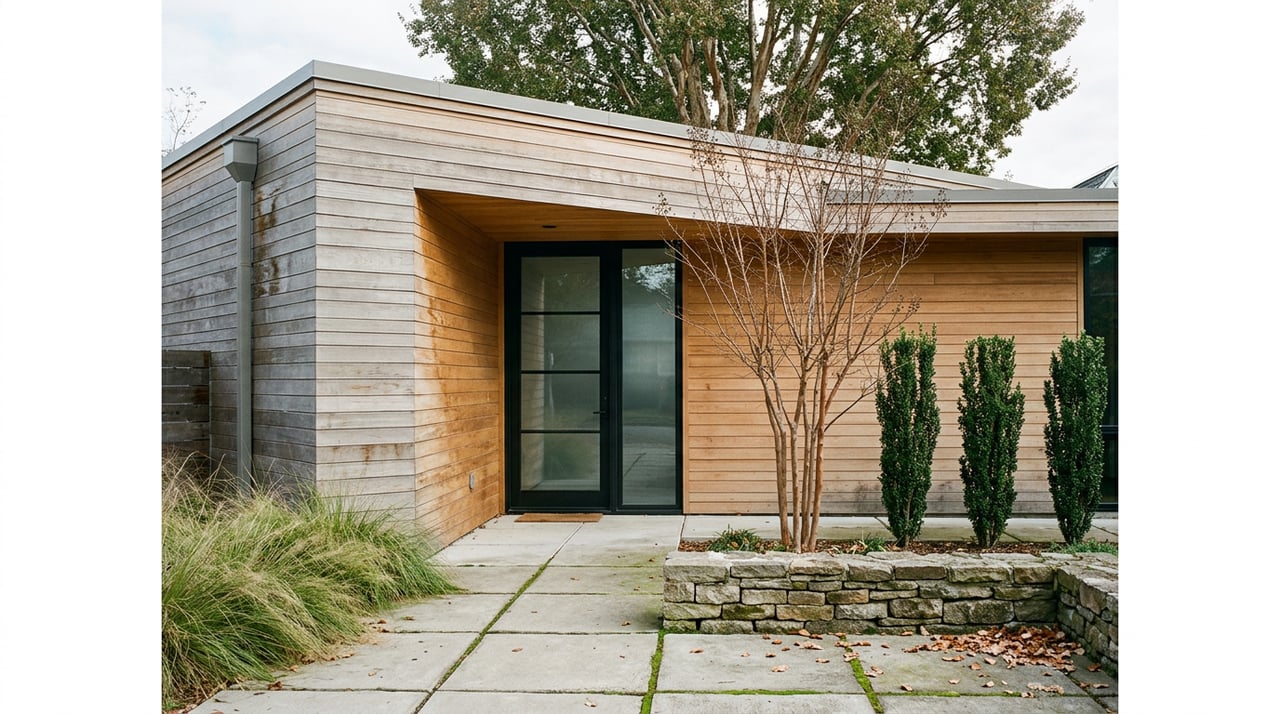
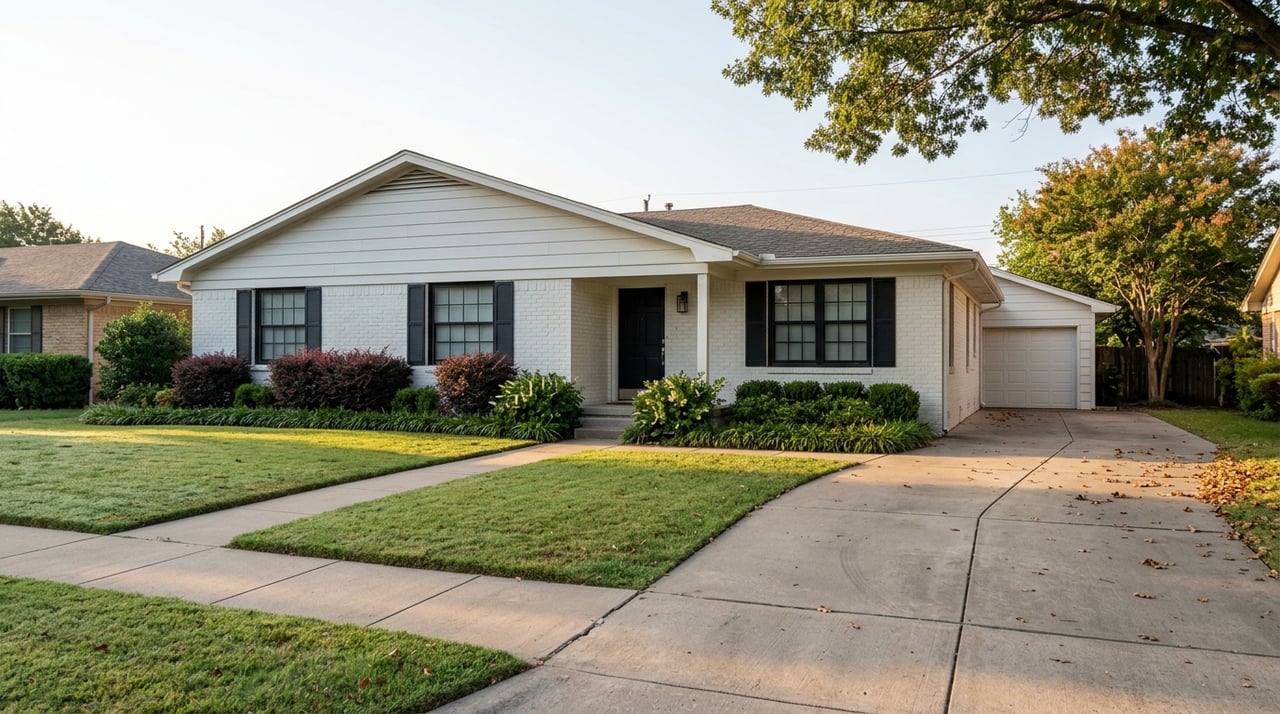
NAR specifically recommends a clean front door, manicured landscaping, and small potted plants. For a Cary home, that often means crisp walkways, trimmed shrubs, fresh mulch where needed, and a front entry that feels tidy and current rather than crowded.
Inside, your entry should feel open and calm. Remove extra furniture, shoes, bulky decor, and anything that interrupts the line of sight. Higher-end buyers tend to respond well to a sense of space, order, and architectural clarity.
The living room was ranked the most important room to stage, and that makes sense. It often appears early in the photo sequence and helps buyers judge whether the home feels elegant, functional, and ready for everyday life.
In Cary, where buyers may value both entertaining and practical family living, your living room should show scale and purpose. Arrange furniture to create a clear conversation area, open pathways, and highlight natural light, fireplace features, or views into the backyard.
Avoid oversized sectionals, too many accent chairs, or heavy decor that visually shrinks the room. The goal is to make the space feel refined but easy to live in.
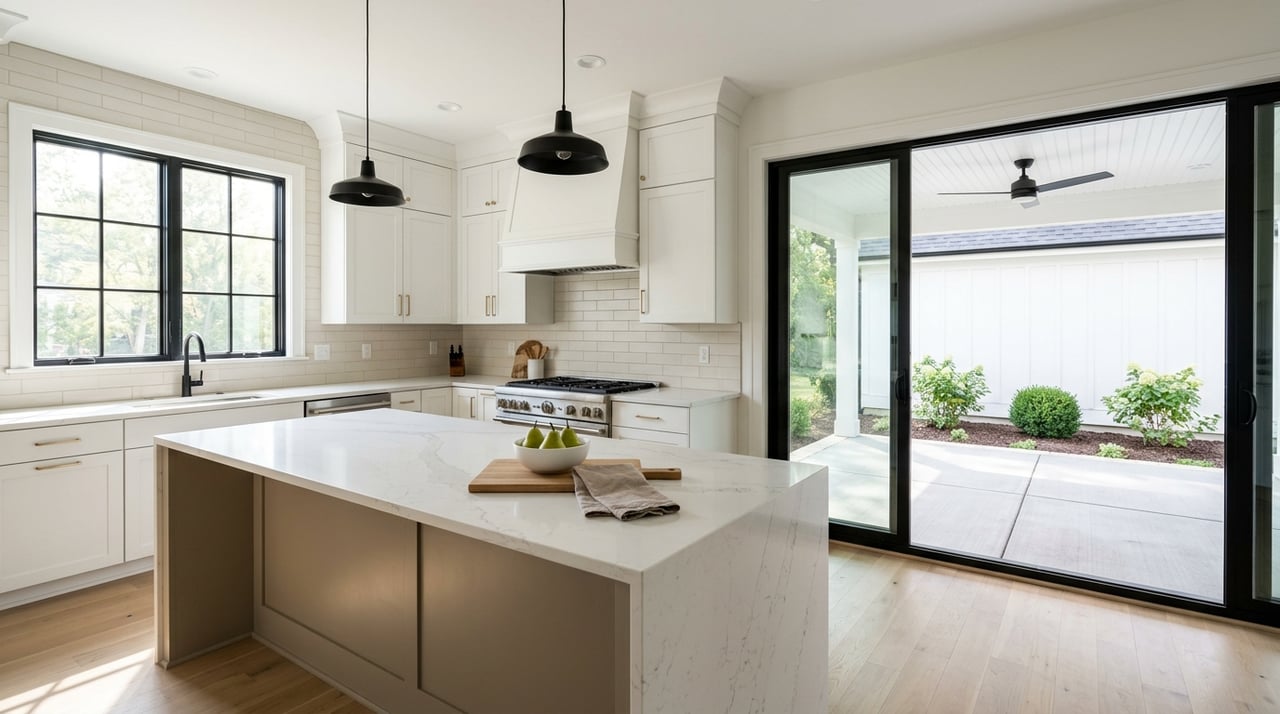
In higher-end homes, buyers expect the kitchen to feel clean, current, and well cared for. You do not always need a renovation to improve presentation, but you do need strong visual discipline.
Clear countertops as much as possible. Keep only a few intentional items, such as a simple bowl, a neutral tray, or one small decorative element. Remove paperwork, countertop appliances, pet items, and anything that makes the space feel busy.
The dining area should also read clearly in photos. If the room is formal, define it with balanced seating and a simple centerpiece. If the space is more casual or open-concept, stage it in a way that shows how it connects naturally to the kitchen and living areas.
The primary bedroom ranked just behind the living room in importance. In a higher-end Cary listing, this room should feel like a retreat, not just a place for furniture.
Use fresh, neutral bedding, minimal accessories, and a layout that emphasizes space around the bed. Remove extra dressers, chairs, or personal items if they make the room feel smaller. The same principle applies to the primary bathroom. Clear counters, add fresh towels, and keep the palette light and simple.
This is one of the easiest places to create an emotional response. Buyers want to imagine comfort, privacy, and ease.
Cary’s demographics suggest many buyers are comfortable evaluating homes online and may place real value on functionality. With a highly educated population and broad broadband access, a well-defined office or flex room can strengthen your listing.
This space should answer a buyer’s practical question: How would I use this room? If you have a dedicated office, stage it with clean lines, limited accessories, and enough furniture to show purpose without making the room feel cramped.
If you have a bonus room, loft, or flexible area, resist the urge to leave it vague or overfill it. Give it one clear identity, such as an office, reading room, or secondary lounge.
Town of Cary materials note that the area includes more than 80 miles of greenway and over 30 parks and natural areas. That local context suggests buyers may appreciate homes that connect well to outdoor living and recreation.
You do not need a fully redesigned backyard to make an impact. Focus on clean edges, fresh cushions, swept patios, and furniture groupings that help buyers understand how the space functions. A deck, screened porch, or patio should feel inviting and easy to maintain.
If your lot offers privacy, mature landscaping, or entertaining space, make sure those strengths are visible in both staging and photography. Outdoor presentation should support the lifestyle your home offers.
One of the most consistent staging recommendations is to remove personal items. That includes family photos, highly specific decor, collections, and anything visually distracting.
For higher-end sellers, the challenge is doing this without stripping away all character. The right balance is a home that feels polished, warm, and edited. Buyers should notice the home itself, not your belongings.
This is especially important in main traffic areas and photo-heavy spaces. NAR also warns against overcrowding rooms and neglecting entryways, both of which can weaken the overall impression.
Timing matters almost as much as design. If you stage too early, before repairs and touch-ups are done, the process becomes inefficient. If you stage too late, the home may hit the market without the visual quality buyers expect.
For a Cary higher-end listing, the most efficient sequence is usually:
This order helps your listing launch with consistency across in-person showings and digital marketing. That consistency builds confidence.
NAR reports a median spend of $1,500 when a staging service is used, though the right level of service will vary by home. In an upper-mid or luxury listing, the question is less about whether to stage and more about where staging has the strongest return.
If you are prioritizing, spend first on the spaces that shape emotional response and digital presentation:
You can often simplify guest rooms and secondary bedrooms unless they fill an important visual or functional role. NAR found children’s bedrooms and guest bedrooms were staged least often, which supports a more selective approach.
For many Cary sellers, the biggest obstacle is not knowing what to do. It is managing all the moving parts while balancing work, family, and timing. That is why a concierge pre-listing process can make such a difference.
SB Real Estate includes full furniture staging as a standard benefit and coordinates the pre-listing process to help sellers prepare efficiently. For higher-end homes, that kind of oversight can reduce friction, keep quality high, and make sure the home is presented at its best when it matters most.
When staging, repairs, and launch marketing all work together, buyers see a home that feels deliberate and market-ready. That can help them engage faster and more confidently.
If you are preparing to sell a higher-end home in Cary, the goal is not to make the property look trendy. It is to make it look clear, elevated, and easy to say yes to. The best staging decisions are the ones that support your home’s architecture, highlight how the spaces live, and create a polished first impression online and in person.
When you are ready for a tailored pre-listing plan, SB Real Estate can help you prioritize the right updates, coordinate staging and vendors, and bring your Cary home to market with a strategy built for how today’s buyers shop.
What $2 million buys in Raleigh, which luxury neighborhoods and builders to explore, and why the right strategy matters before you tour the 2026 Triangle Parade of Hom… Read more

7 Submarkets Compared

If you’ve been renting in Raleigh or the Triangle since 2020, the question may not be whether you missed your chance to buy. It may be what waiting for the “right” mar… Read more


Has the Raleigh Housing Market Cooled?

At SB Real Estate, we help luxury buyers evaluate not only whether they love a property, but whether the price, condition, location and long-term value make sense.
We pride ourselves in providing personalized solutions that bring our clients closer to their dream properties and enhance their long-term wealth. Contact us today to find out how we can be of assistance to you!