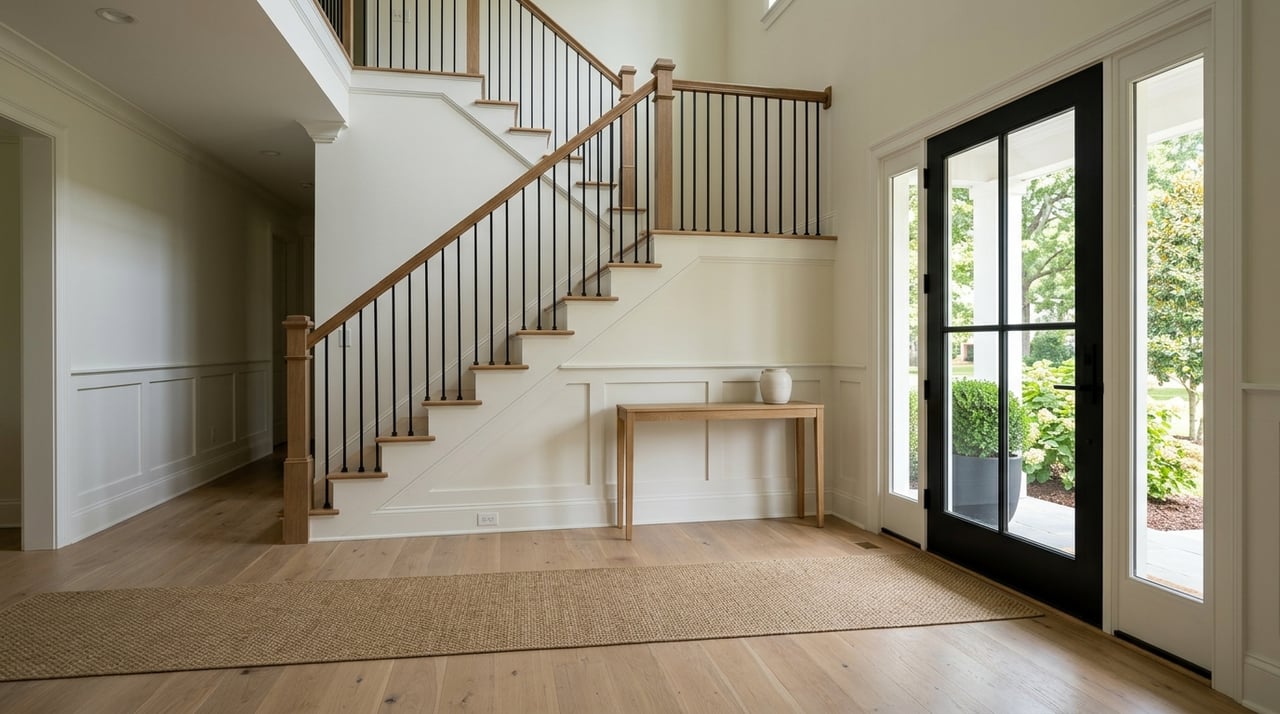
New Construction In Holly Springs: How To Compare Communities
June 11, 2026
June 11, 2026
Looking at new construction in Holly Springs can feel exciting right up until every community starts to blur together. One builder highlights a gorgeous model, another promises future amenities, and a third looks perfect on paper until you dig into the lot details. If you want to compare communities with more confidence, the key is knowing what actually affects your day-to-day ownership and long-term value. Let’s dive in.
Holly Springs is still very much in growth mode. Census estimates put the town at 48,674 residents as of July 1, 2024, which is an 18.0% increase since April 1, 2020. That kind of growth creates opportunity, but it also means your buying decision should go beyond the floor plan and builder incentives.
The town uses its comprehensive plan to guide public investment priorities, and it maintains interactive zoning and development maps showing proposed, approved, and under-construction projects. For you as a buyer, that means the land around a community matters almost as much as the home itself. A neighborhood that feels quiet today may look very different in a few years.
Holly Springs also coordinates transportation planning with nearby municipalities and regional agencies, and the town describes itself as about a 20-minute drive from Raleigh and about a 30-minute drive to RDU and RTP via NC 540. At the same time, utility capacity is expanding to support future growth, including water-supply work and a wastewater expansion at Utley Creek. In short, this is a town planning for what comes next, and smart buyers should do the same.
A beautifully staged model can make two communities seem easy to compare, but the real differences usually sit below the surface. In Holly Springs, lot design, zoning, easements, street status, HOA structure, and nearby development can all change how a home lives and what ownership feels like.
That is why a side-by-side comparison should focus on both the house and the community framework around it. When SB Real Estate advises buyers on new construction and custom-build opportunities, the goal is simple: reduce surprises and help you evaluate what will matter after the excitement of the first tour wears off.
Holly Springs’ Unified Development Ordinance governs new subdivisions and sets rules for permitted uses, setbacks, architectural and landscaping requirements, open space, streets, utilities, and subdivision lot design standards. That means two communities with similar price points can still operate under very different development rules.
As you compare communities, ask for the recorded plat and confirm the zoning district. Look closely at lot frontage, building placement, open-space requirements, and tree preservation features. These details can influence how private your lot feels, how much usable yard space you have, and what may be built nearby.
If a community has conditional zoning or special approvals, those may also affect lot size, setbacks, or open-space obligations. This is one of the clearest examples of why a builder brochure is not enough. The plat and zoning context often tell you more about long-term livability than the design center selections.
In Holly Springs, the property-information resources tied to Wake County IMAPS can help you review deeds, plats, tax records, planning jurisdictions, environmental data, and aerial views. The town also notes that easements and impervious-lot limits are shown on the plat. Those details matter if you are already thinking about a fence, patio, pool, outdoor kitchen, or future addition.
The town specifically notes that Holly Springs does not limit impervious area by zoning percentages, and that drainage issues between private lots are civil matters rather than town-maintained services. For you, that means it is important to study the lot itself instead of assuming every backyard works the same way. A premium lot price does not always translate to easier use.
Before you commit, compare communities with these questions in mind:
This is one of the easiest details to miss in a newer subdivision. In North Carolina, not all subdivision streets are public, and developers or lot owners may remain responsible for maintenance until NCDOT accepts the street.
That can matter more than many buyers realize. If a road appears complete but is still under developer control, future maintenance responsibility may not work the way you expect. In communities with private streets, alleys, or cul-de-sacs, this becomes an even more important comparison point.
As you tour, ask directly whether the street is public or private and whether NCDOT has officially accepted it. It is a small question that can have a real effect on future costs and expectations.
A strong floor plan and polished finishes are important, but they should not be the only reasons you choose a community. In North Carolina, a general contractor license is required for contracts valued at $40,000 or more, and the NC Licensing Board for General Contractors allows consumers to search active licensees by name, number, or county.
That search is a useful baseline screen. It can help you verify license status and review complaint information. At the same time, the board makes clear that license verification is not a full guarantee of quality, and its Homeowners Recovery Fund is a last-resort remedy after other recovery avenues have been exhausted.
A smart comparison process should include:
In a new construction neighborhood, HOA documents can shape ownership almost as much as the home itself. North Carolina’s Residential Property Disclosure Act requires owners to provide both a residential property disclosure statement and an owners’ association and mandatory covenants disclosure statement no later than the time the purchaser makes an offer.
That association disclosure must state whether the property is subject to mandatory assessments or special assessments. Planned-community associations must also keep records, make annual financial statements available, and provide an unpaid-assessments statement within 10 business days of a written request.
For buyers, this means you should review more than the monthly dues amount. Look at the declaration, rules, budget, parking restrictions, architectural review requirements, and any history of special assessments. A lower HOA fee is not always the better value if the community’s structure creates more uncertainty later.
Amenity marketing can be persuasive, especially in fast-growing areas. Holly Springs is expanding its public parks and greenway system, and new residential developments must provide park land dedication and improvement or a park-and-recreation fee-in-lieu. One current example is a proposed 7-acre park near Avent Ferry and Rex roads that the town identifies as its first developer-led public park dedication.
That is good news for buyers, but it also creates an important distinction. Some recreation benefits are inside the neighborhood and funded through private ownership costs, while others are public amenities nearby or still in the pipeline.
When comparing communities, keep these separate:
This helps you avoid paying a premium for features you may already have access to through the town’s broader parks and trail network.
The real monthly cost of a new construction home in Holly Springs is bigger than principal and interest. Holly Springs lists a property tax rate of 34.35 cents per $100 of assessed value, and the town’s rates page shows tiered water and sewer charges. The town also notes that outside-town-limits rates are doubled.
That makes a full carrying-cost comparison essential, especially when two communities have similar base prices. A slightly more expensive home can sometimes be the better value if taxes, dues, utilities, and extra assessments are more predictable.
Your comparison should include:
One of the smartest ways to compare Holly Springs communities is to look beyond the entrance signs and sales center. The town maintains development and zoning maps that show what is proposed, approved, and under construction.
This can help you understand whether the wooded area behind a lot is likely to remain open, become another phase of housing, or transition to another approved use. It can also help you compare how close a neighborhood is to future transportation connections, civic investment, or nearby growth corridors.
For relocating buyers and busy professionals, this kind of research can save time and reduce guesswork. It turns a community tour from a visual experience into a strategic one.
If you want a simple way to compare your options, bring this checklist with you:
There is no single best new construction community in Holly Springs for every buyer. The right fit depends on how you weigh commute, lot use, ownership costs, future flexibility, and the pace of surrounding growth.
If you are relocating, building custom, or comparing several new neighborhoods at once, a more structured approach can make the process much easier. At SB Real Estate, we help buyers evaluate communities with a clear, data-informed lens so you can move forward with confidence and fewer surprises.
What $2 million buys in Raleigh, which luxury neighborhoods and builders to explore, and why the right strategy matters before you tour the 2026 Triangle Parade of Hom… Read more

7 Submarkets Compared

If you’ve been renting in Raleigh or the Triangle since 2020, the question may not be whether you missed your chance to buy. It may be what waiting for the “right” mar… Read more

We pride ourselves in providing personalized solutions that bring our clients closer to their dream properties and enhance their long-term wealth. Contact us today to find out how we can be of assistance to you!